End of US global influence: Uprooting hegemony from Red Sea to Strait of Hormuz
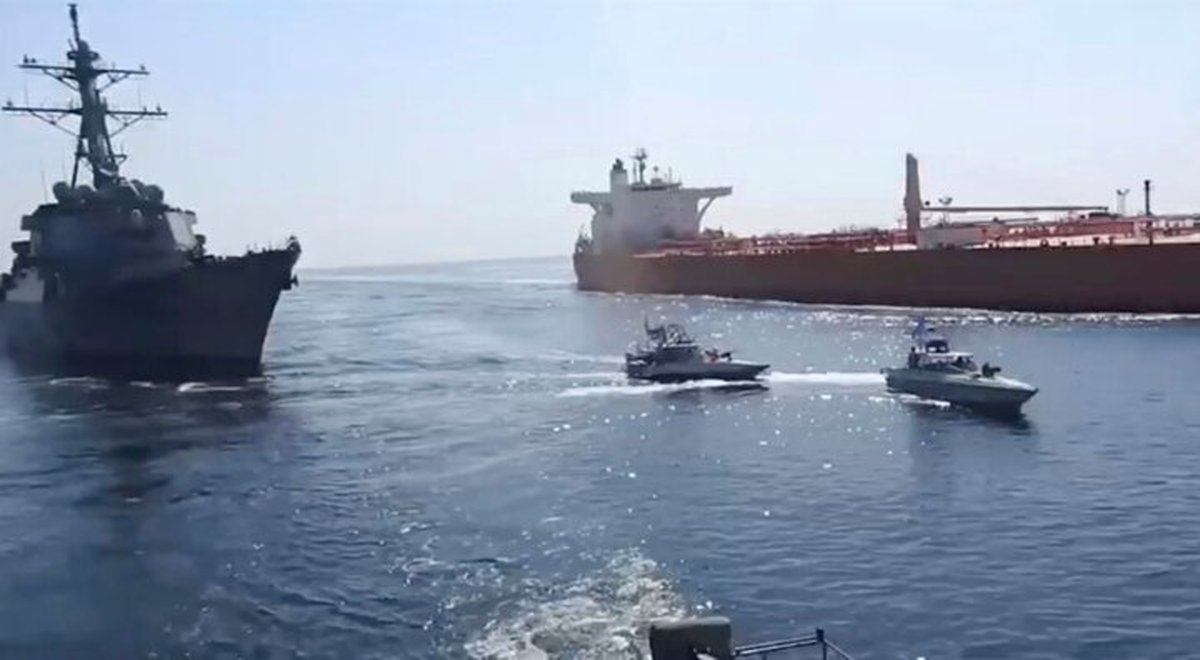
Tehran is consolidating absolute sovereignty from the strategic Strait of Hormuz to the distant reaches of the sea where American vessels have retreated. This development has placed Washington in a stalemate, signaling the end of U.S. regional and global influence.
Following a series of comprehensive deterrent operations, Iran has emerged as a power capable of reshaping the security and economic landscape of the world’s most vital energy arteries. This new reality is based on undermining the Western hegemonic system and redefining the rules of maritime navigation and naval control.
Collapse of the ‘Guardian of Navigation’ Image
Brigadier General Mujeeb Shamsan, a Yemeni military and strategic expert with the Ansarullah movement, told Al-Masirah news network that the U.S., which long presented itself as the "guarantor of global freedom of navigation," has suffered unexpected defeats.
"This trend began in the Red Sea and off the coast of Yemen, where five U.S. naval groups were targeted over 15 months of Yemeni support for Gaza," Shamsan stated. "These operations shattered the 'American authority' and weakened the image of deterrence that Washington tried to project through its advanced aircraft carriers and naval strength."
He noted that the U.S. retreat on May 6 marked a turning point, paving the way for the collapse of American hegemony in the Strait of Hormuz. "Washington acted like a pirate in its attempts to approach the Strait but lacked the courage to fully enter due to repeated Iranian strikes," he added, noting that U.S. carriers were forced to maintain a distance of over 1,000 kilometers from the range of Iranian missiles and drones.
Iran as a Global Power
Shamsan emphasized that Iran is not merely imposing a "selective" blockade in the Strait of Hormuz but is working to uproot U.S. hegemony and establish a new maritime order to replace the current Western-led system.
"Tehran now presents itself as a superpower that has transcended regional dimensions to reach a global level," Shamsan said. He added that Iran’s messages are clear: the Strait of Hormuz will never return to the status quo ante, and Tehran has established new mechanisms and procedures for maritime passage.
The Yemeni analyst further revealed that three U.S. destroyers attempted to approach the coast of the UAE in the past 48 hours but were targeted. He argued that Iran’s control over the Strait represents a strategic shift because Washington's control over energy resources was a fundamental pillar of its international dominance.
Uprooting U.S. Presence
Referring to a report by the Washington Post regarding the extent of damage to U.S. bases in the region, Shamsan noted that Iranian strikes targeted 288 military installations, with 9 to 14 bases being completely neutralized. "These strikes were not just a military response, but operations aimed at 'uprooting the American presence' and the foundations of its hegemony," he said.
He also pointed to the Iranian Foreign Minister’s statement regarding a 12% increase in missile and drone capabilities following the war, showcasing Iran’s military fortification despite economic pressures.
Shift to Proxy Wars and &#۳۹;Limited Conflict&#۳۹;
Shamsan warned of dangerous signals in the next phase, noting that since the announcement of the ceasefire, there have been over 250 military cargo flights to regional countries, including the UAE, Kuwait, Qatar, and Bahrain, alongside arms deals valued at over $14 billion.
"After reaching a dead end in a direct confrontation with Iran, Washington is now seeking to use these countries as tools," the analyst concluded. "The U.S. has adopted the option of 'limited war' and managing the battle : (ISNA news agency)
مشاهده خبر در جماران