Weekly Topic: The Persian Gulf, Historical Truth and the Question of Identity
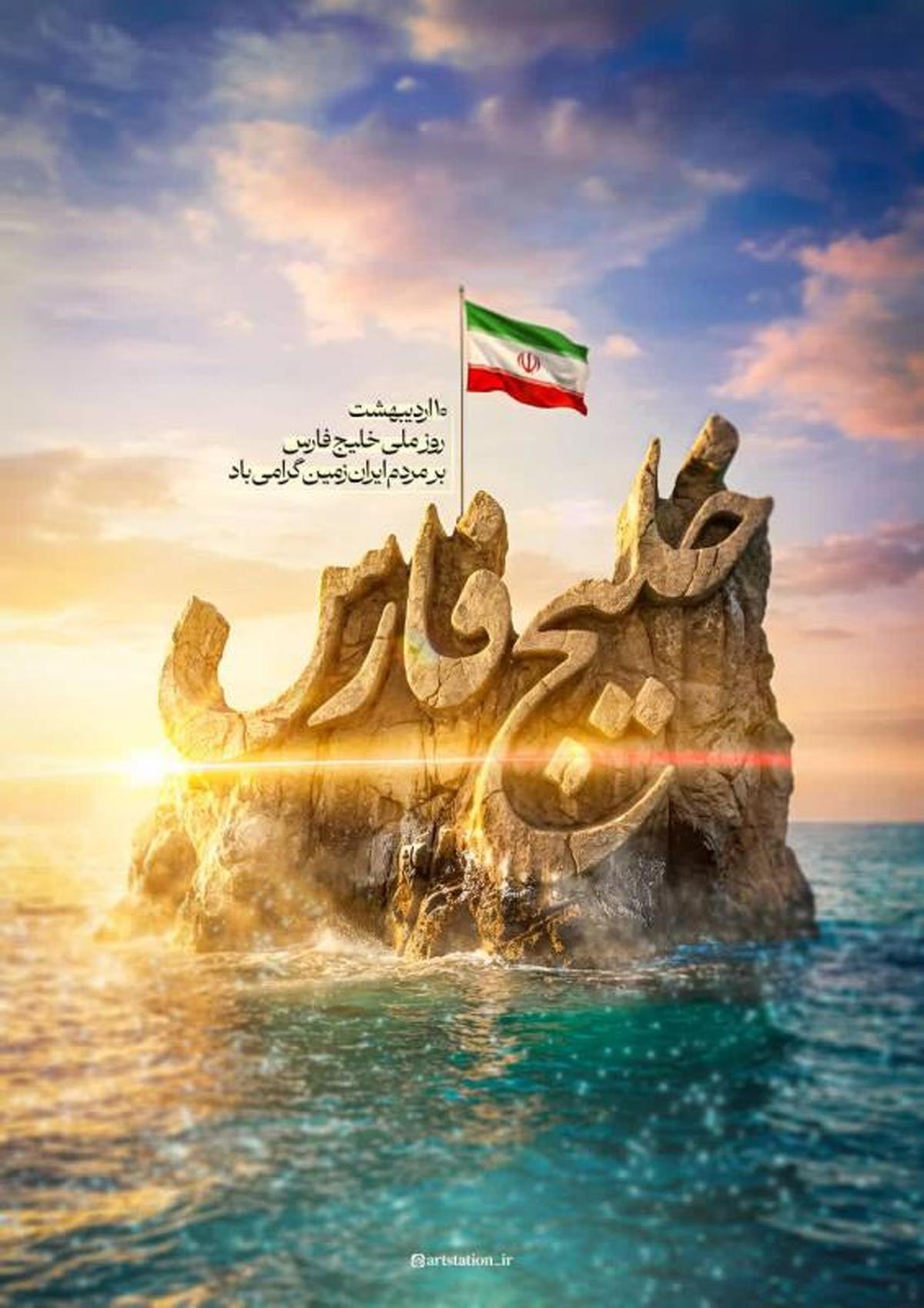
Weekly Topic
The Persian Gulf is not just a body of water in the south of the Iranian plateau; it also contains one of the deepest layers of the historical, political, and civilizational identity of Iran and the Islamic world. Throughout history, this region has always been a meeting point for the interests of great powers, a main route for global trade, and one of the world's most important energy hubs. In contemporary times, especially after the victory of the Islamic Revolution in Iran, the Persian Gulf has become a decisive scene in the confrontation between two logics: the hegemony-oriented logic of trans-regional powers and the independence-oriented and justice-oriented logic of the nations of the region.
Imam Khomeini (RA) analyzed the Persian Gulf in the context of the civilizational confrontation between Islam and the global hegemony system. He repeatedly stated that the hostility of the great powers towards the Islamic Republic is not because of Iran, but because of Islam. In this context, the Persian Gulf is considered one of the main arenas of this confrontation.
Imam Khomeini (RA), with a deep look at the global power structure, correctly recognized that one of the main goals of the United States and its allies is to dominate energy resources and their transportation routes. He warns that the hegemonic powers want to take control of the Persian Gulf, take away the nations' oil, and consider Islam to be the main obstacle to this project.
This is why Imam Khomeini considered the US and European military presence in the Persian Gulf not as a factor of security, but as a source of insecurity. His explicit warning to Western warships to “get out of the Persian Gulf before it is too late” reflects this strategic vision. These words were not merely an emotional stance, but rather stemmed from a deep understanding of the logic of power in the international system. In his speech about the Persian Gulf, he stated as follows:
Of course, our own policy regarding the Persian Gulf has been clear and straightforward from the beginning. The security of the Persian Gulf is of great importance to the Islamic Republic of Iran. That is why, despite the availability of all kinds of means—naval, air and land facilities—and the ability to close the Strait of Hormuz and inflict damages on commercial shipping, oil tankers, oil refineries, oil-export facilities, and ports of the region, it has followed, until now, a policy of patience aimed at confining the extent of the war. It has not gone further than putting up limited show of its power and presence by acts of retaliation. The world has perceived the fact that insecurity in the Gulf is not just to Iran’s disadvantage. Otherwise, if the most powerful of the powers and the superpowers—America for instance—mobilize all its naval, air and intelligence facilities, as well as those of its allies in the region to escort a single ship and secure its safe passage, they would be unable to do so without injury and loss and would get drowned in a whirlpool of insecurity.
With all its worldwide pageantry, propaganda and clamor and despite the dispatching of dozens of reporters and cameramen to the region to cover the news of the success of its evil plans, God, with His invisible means, prepared the background of America’s disgrace and puts the spiritual grandeur of the standard of “There is no god except Allah” and its supremacy over the ensign of apostasy. Thus does He gladden the hearts of His servants.
Sahifeh-ye-Imam. V 20. P 310-311
مشاهده خبر در جماران