Weekly Topic: Islamic revolution remains a source of inspiration for many across the globe
Iran is marking the ۴۶th anniversary of the Islamic Revolution. Although the significance of the revolution is an evolving process that has transcended generations, it is worth looking at why the revolution took place in the first place, one which is still a source of inspiration for many across the world.
The movement gained momentum in ۱۹۶۳ when nationwide protests erupted after Shah’s regime imprisoned Ayatollah Seyyed Ruhollah Khomeini, a well-known critic who had denounced the king&#۳۹;s concessions to the US and his friendship with Israel.
The regime responded with brutal crackdown, that only fueled the flames of uprising.
A year later, Ayatollah Khomeini was expelled in an attempt to curb his growing influence. However, this only elevated the grand cleric’s stature.
From exile in Iraq, and later in France, he continued to guide the revolution, voicing his ideas through audio messages and statements.
The revolution’s breaking point came on January ۹, ۱۹۷۸, when the holy city of Qom witnessed protests against an article by a state-run newspaper vilifying Ayatollah Khomeini.
Security forces opened fire, killing scores of demonstrators. The massacre triggered a relentless cycle of mourning, protests, and violent repression.
Yet, each crackdown only intensified public discontent fueling further protests.
Forty days later, rallies were held in Tabriz to commemorate ۱۰۰ protesters killed in Qom. In September that year, security force shot peaceful protesters in Tehran’s Jaleh Square in what&#۳۹;s known as “Black Friday.”
These massacres failed to crush the revolution. The people were not going to stop. Facing a growing army mutiny and recurring mass demonstrations, the Shah and his family left the country in January ۱۹۷۹.
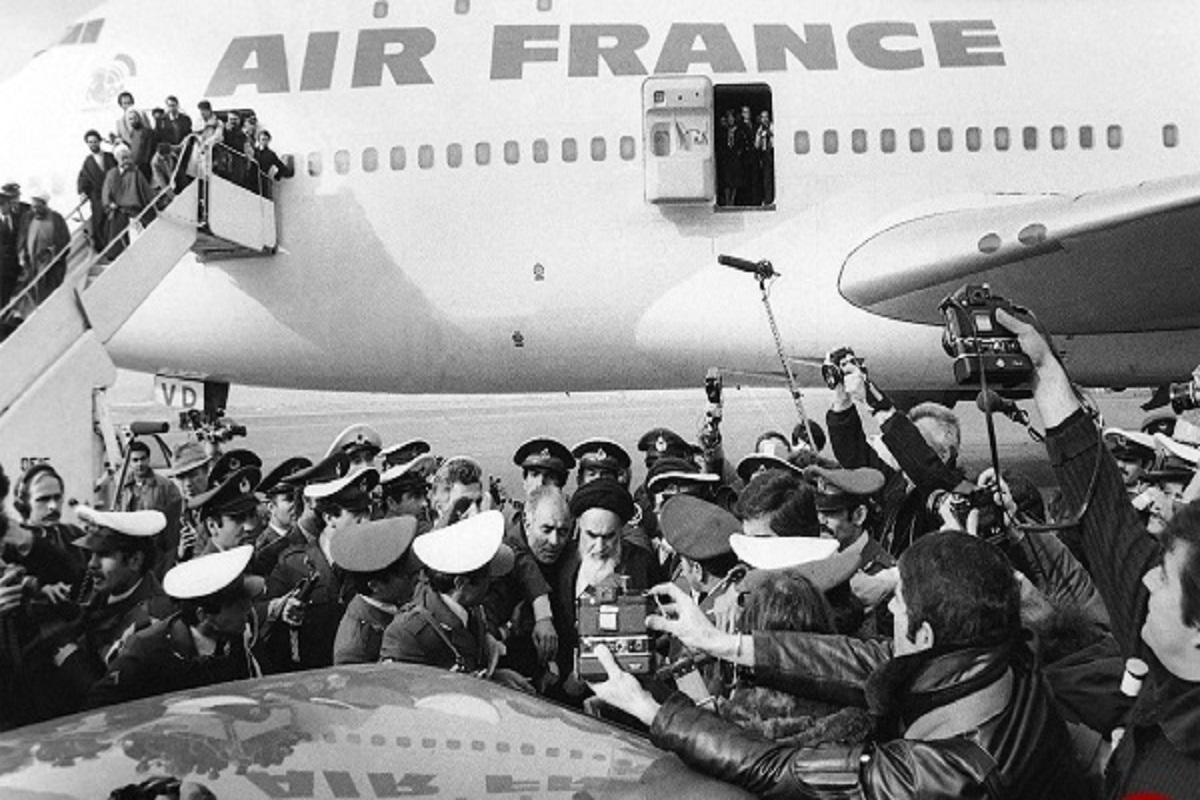
The return of Ayatollah Ruhollah Khomeini to Iran in ۱۹۷۹ marks a decisive moment in the country’s history.
After ۱۵ years in exile, his homecoming signaled the impending collapse of the Pahlavi monarchy and the triumph of the Islamic Revolution. Within ten days, the Shah’s regime crumbled, ushering in a new era under Imam Khomeini’s leadership.
The Islamic Revolution of ۱۹۷۹ was the product of a centuries-long quest for democracy and freedom in Iran.
On February ۱, ۱۹۷۹, Ayatollah Khomeini returned to Iran, defying serious threats to his life.
Back home after ۱۵ years in exile, the popular cleric was greeted by millions in one of the largest public gatherings in history.
Just ten days later, on February ۱۱, the armed forces declared neutrality, sealing the fate of the Shah&#۳۹;s regime.
The ۲۵,۰۰-year monarchical rule was officially ended, and Iran entered a new era under the leadership of Imam Khomeini.
مشاهده خبر در جماران